Video Production for Ads: My 2026 Playbook for Real Engagement
I’m Hijaz Moosa, founder of Hanzo Films.
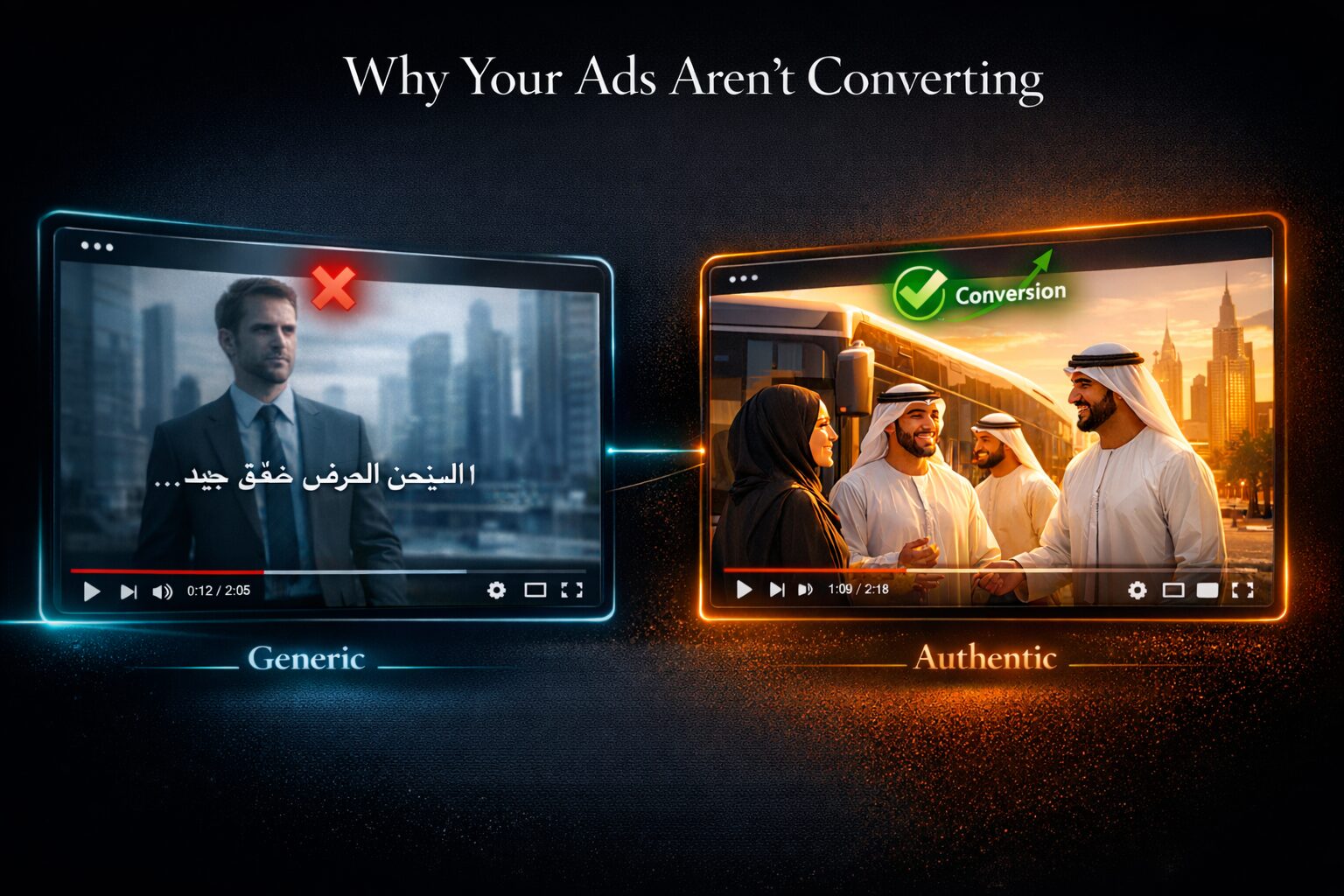
If you read enough marketing blogs, you’ll start to believe that by 2026, high-end video production will be dead. You’ll read that audiences only want “imperfect,” “lo-fi,” or “user-generated” style content. You’ll read that “authenticity” means shaky cameras and bad lighting.
I am here to tell you: They’re wrong.
I live in the real world of production. I have a regular set of clients ranging from regional powerhouses to global brands, and I follow the work coming out of the top studios globally. I am not seeing a shift toward imperfection. In fact, I’m seeing the exact opposite.
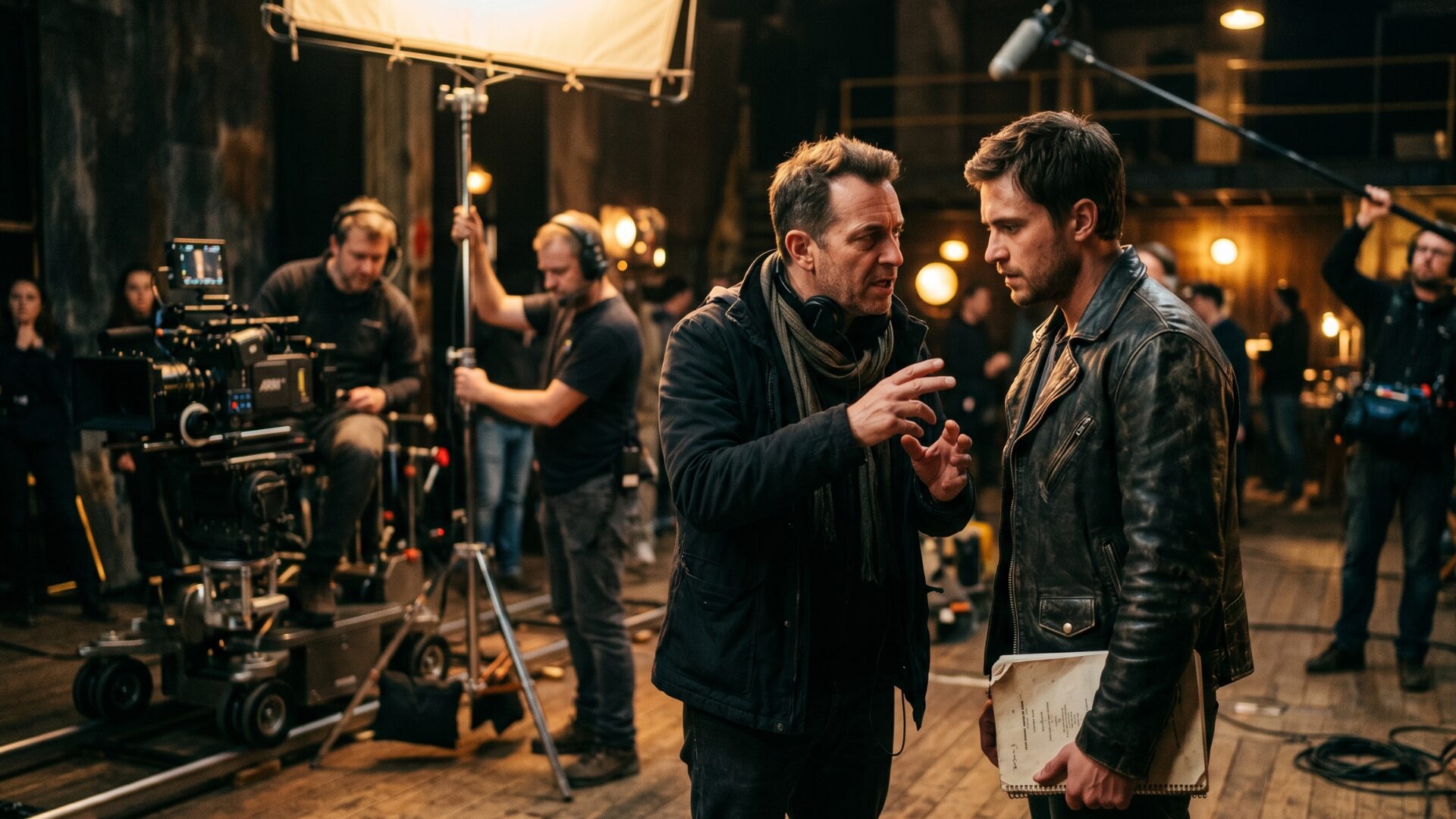
In high-stakes video production for ads, my clients are trying to achieve as much perfection as possible. They want the craft. They want the polish. They want the magic that only high-end production can deliver.
So, if the “imperfect content” trend is a myth, what does the actual 2026 playbook look like?
Here is what I see on set every single day—and how I’m advising my clients to maximize their engagement this year.
The Myth of “Imperfect” Content (And What I Actually See Happening)
Let’s be honest: “Imperfect but real” is a nice marketing buzzword, but it’s not a production reality.
There is no global shift toward messy content. Content is random. It is entirely case-by-case. Sure, there is a section of content that is “real” and raw, and there is a section of content that is highly staged and cinematic. Both exist. Both work.
But simply lowering your production standards in the name of “authenticity” is a trap.
In my experience, authentic video content production doesn’t come from bad lighting; it comes from honest storytelling. You can have a beautifully lit, cinematically shot film that feels incredibly authentic because the emotion is real. Conversely, you can have a shaky iPhone video that feels completely fake because the acting is stiff.
The market isn’t demanding lower quality; they are demanding higher relevance.
The Only Real Shift I See: AI Content Creation
If we are talking about actual shifts in the industry—not just marketing fluff—the only massive change I am seeing is the integration of AI.
But we need to be very specific about what that means. We aren’t seeing a shift toward “AI videos” replacing human creativity in the final output. We are seeing a massive shift toward AI in video production workflows.
This is where the 2026 playbook gets interesting. It’s not about choosing between “Human” or “AI.” It’s about knowing exactly where AI belongs in the pipeline—and more importantly, where it absolutely does not.
How We Actually Use AI at Hanzo Films (Without Losing the Soul)
At Hanzo Films, we are refusing to accept AI in its current form for creating the final creative output. I don’t use it to create characters. I don’t use it to make them act.
Why? Because of what I call the “Beating Heart” Principle.
My “Beating Heart” Principle
For me personally, storytelling comes down to empathy.
“If I see an actor performing something, if I know that there isn’t a beating heart on his chest, I cannot emotionally invest in that character.” — Hijaz Moosa, Founder of Hanzo Films
We are just regular people trying to tell human stories. My job is to cast the best actor, find the best director, and make the scene as emotional, funny, or dramatic as possible. We aren’t trying to solve the storytelling problem with AI.
However, we are using AI aggressively to solve the logistical problems.
Cutting Costs by 70%: AI in My Pre-Production
While I don’t let AI touch the performance, I use it extensively to streamline the creative alignment between writers, clients, agencies, and production.
The biggest area of impact? Storyboarding.
Historically, storyboarding was a slow, expensive process. You’d hire an artist, wait for sketches, give feedback, wait for revisions.
Today, I have slowly cut out the storyboard artist from the middle of the process for about 70% of our projects.
Why? Let me give you a painful, real-world example.
Just recently, I paid $3,500 to a storyboard artist for a single project. We spent the money, did the work, and then… the project didn’t go ahead. That is a huge chunk of money lost—money that I could have used for better catering, better props, or a better location for a different production.
With AI in video production tools, I can avoid that added cost.
- If a client wants a slightly different angle, I don’t have to ask an artist to redraw it from scratch. I just re-generate it.
- I can instantly change colors and dimensions to align with the client’s vision.
- I can create temporary audio tracks to match the reference music they have in mind.
- I can upscale archival or stock footage to fit the rest of the film’s quality.
This is the 2026 playbook: Use AI to protect your budget in prep, so you can spend it on humans in production.
My #1 Strategy for 2026: Cut the Middleman
If you asked me for the strongest piece of actionable creative advice before you launch your next video ad campaign, I would give you some tough love.
Cut the middleman.
This isn’t about being anti-agency or anti-collaboration. I love collaborating with creatives. But I often see clients focusing on the wrong things—and paying the wrong people to manage those things.
To maximize engagement optimization and ROI, you need your money to be visible on the screen.
Stop Investing in the Invisible
Every dollar you spend on administrative layers, excessive meetings, or “middle management” is a dollar that isn’t buying you a better camera, a better light, or a better actor.
In 2026, your budget needs to go to three specific places:
- Performers: Invest in actors who can actually act. Authentic acting stops the scroll faster than any visual effect.
- Writers: Invest in the script. A bad story shot on an ARRI Alexa is still a bad story.
- Core Emotion: Invest in the director and the craft that brings the feeling to life.
Don’t invest in the little details that the audience doesn’t see. Invest in the “beating heart” of the film. By working more directly with production partners who understand this, you ensure that your media spend actually translates into creative output.
The Verdict
We aren’t shifting to AI for storytelling. We aren’t shifting to “imperfect” grainy videos.
We are shifting to efficiency.
My team and I use technology to handle the boring stuff—the storyboards, the upscaling, the temp tracks—so that we can focus 100% of our human energy on making you feel something when you watch our work.
If you want to create a campaign that lasts—one that feels real because it is real—let’s talk.