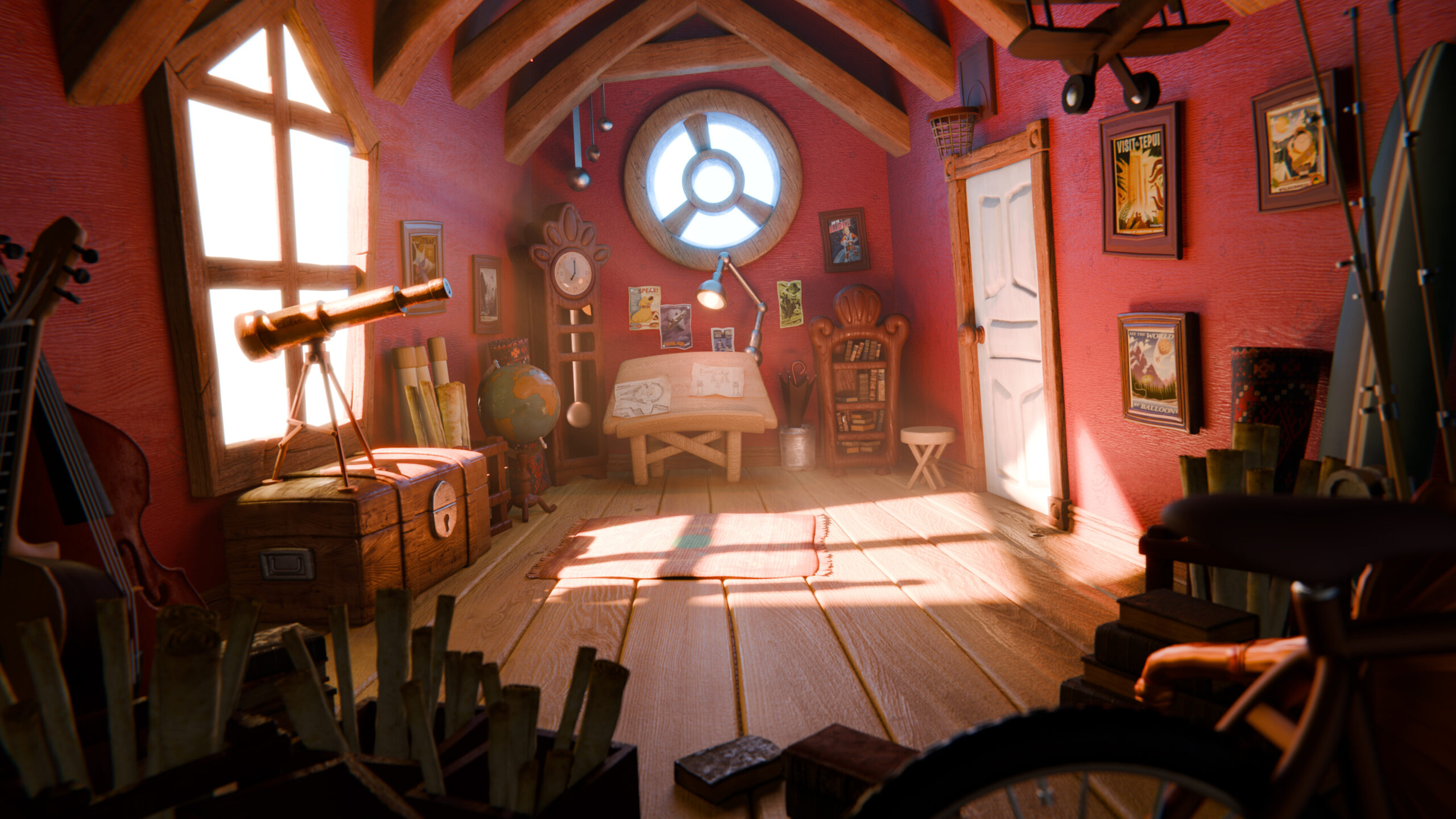
The Real Process Behind 3D Animation Video Production
3D animation video production offers incredible creative possibilities, but it can also seem complex and unpredictable, especially regarding costs and timelines. Brands often ask us: “How long will it take?” or “What’s the biggest cost driver?” The truth is, it depends. Animation isn’t a one-size-fits-all process.
As an award-winning production company specializing in 3D animation video production, we know that success starts long before the rendering begins. It’s about making smart choices upfront and understanding the factors that truly impact the final product.
From Idea to Workable Concept: The Crucial First Steps
Turning a brief into a compelling animation starts with a solid foundation that involves these critical, sequential phases:
Assembling the Right Team
The first step involves assembling a team specifically suited for the project. This team typically includes concept designers, storyboard artists, 3D modelers, animators, and render specialists.The selection process focuses on matching talent whose skills and style are the best possible fit for the particular script and the reference that the client wants. We ensure the right expertise is engaged from the start.
Defining the Direction: Treatment & Concept Sketches
Once the team is assembled, the focus shifts to translating the core idea into a visual plan. We achieve this by developing a treatment note and concept sketches. This is a vital step. It ensures everyone, including the client, agrees on the visual style and overall direction early on. Getting this alignment before major production starts is key.
This phase is also the time to decide on the best technical approach. For example, the team will consider if full 3D is needed for every part of the project. Sometimes, using 2D techniques for certain elements or sequences might be more effective or efficient based on the specific creative goals.
Storyboarding: The Blueprint for Production
A detailed storyboard acts as the blueprint. It helps everyone visualize the flow, determines the number of shots, characters, and environments needed, and allows us to accurately estimate timelines and resources.
What Really Drives Animated Video Production Cost?
Several factors influence the final budget for video production and animation. Understanding these helps set realistic expectations.
1. Talent Quality: The Biggest Variable
The skill of the artists is paramount. We know that better animators cost a lot more, and top global talent is in high demand, often working with major studios. Securing the right level of expertise for your project’s needs is a significant part of the animated video production cost.
2. Complexity: Characters and Environments
More detail means more time and resources. Key elements include:
- Number of Characters & Environments: Each unique character and setting needs to be designed, modeled, and textured.
- Character Design Detail: Highly detailed characters require more intricate modeling and rigging.
- Environment Complexity: Building elaborate 3D worlds naturally takes longer than creating simple scenes. For shots requiring a sense of vast scale, using detailed 2D painted backdrops can often be a more efficient solution compared to constructing the entire environment in 3D.
3. Rendering Time
Generating the final images is computationally intensive. Complex scenes, detailed lighting, and high character counts significantly increase rendering time. Often, we utilize external render farms (specialized computer clusters) to handle this workload efficiently.
Beyond Looks: Creating Emotional Connection
Great animation isn’t just technically proficient; it needs to connect emotionally. This relies heavily on character development.
Designing Lovable Characters
Success starts with character design that allows for nuance and expression – creating characters that “people can invest emotions into them.”
Realistic Movement Through Rigging
How characters move is vital for emotional connection. A key technique involves using real human actors as a reference. Filming actors performing the required actions provides invaluable data for the animation rigging process. This reference ensures that even exaggerated movements remain grounded in realistic physics and biomechanics, making the animated characters’ actions feel more believable and relatable to the audience.
Keep the Story Simple
Animation thrives on clarity. We advise clients to avoid overly complex plots. “Animation is not a medium where you can have very nuanced plot points.” Like many successful animated films, focusing on universal emotions and straightforward narratives allows the visuals and character performance to shine. We’ve found that avoiding dialogue and letting music and visuals carry the story often leads to a more powerful connection.
The Role of Technology and Tools
We utilize a range of industry-standard software like Maya, Blender, Cinema 4D, and increasingly, Unreal Engine for its ability to create hyper-realistic environments quickly. While tools like AI are emerging, their impact on the core creative aspects of 3D animation video production is still limited. AI might speed up mechanical tasks, but crafting unique, emotionally resonant characters remains a fundamentally human skill at this point in time.
Choosing the right approach and the right team is key to unlocking the power of animation. Whether it’s complex 3D or strategic use of 2D, we focus on the best path to bring your story to life effectively and efficiently.