The Untold Truth About Media Production Companies in Dubai
When brands start looking for media production companies in Dubai, they usually search for the wrong things. They hunt for a studio with a “secret” technology pipeline, a massive full-time roster of directors, or exclusive access to retained, world-renowned talent.
But in the real world of creative film production, those things are mostly myths.
I’ve spent years in this industry, and I’m going to give you an unfiltered, behind-the-scenes look at how this market actually operates. I want to show you what genuinely separates a “good” media production house from a true master. From the distinct philosophies that define local studios to the reality of how we actually hire world-class colorists and directors (hint: we don’t put them on retainers), this is a no-BS guide to creative output mastery.
If you’re ready to discover the true, human differentiator behind award-winning creative video ads, let’s pull back the curtain.
The 3 Philosophies of a Media Production House in Dubai
If you look closely at the landscape of the top media production houses in Dubai, you’ll realize that a company’s creative output isn’t random. It stems directly from the foundational philosophy they operate on.
In my experience, almost every media production house in Dubai falls into one of three distinct categories.
Service vs. Craft: Where Do You Stand?
First, you have the purely service-based production houses. These are companies that focus strictly on logistics. You hand them a storyboard, and their goal is simply to execute it exactly as drawn. They will book the location, rent the camera, hire the crew, and deliver the file. They provide a service, but they rarely challenge the creative or push the emotional boundaries of the film.
On the opposite end of the spectrum, you have the fully craft-based production houses. These teams are entirely obsessed with the art. They agonize over every pixel, every shadow, and every lens choice. While their work can be incredibly beautiful, they sometimes lose sight of the client’s actual business objectives or budget constraints because they are so deeply entrenched in the “art” of creative film production.
Striking the Middle Ground
Then, you have the third category—the middle ground. This is exactly where my team and I sit at Hanzo Films.
What separates the best media production companies in this region is the ability to find that perfect balance. We prioritize execution and logistics so the client feels safe and supported, but we never compromise on the creative craft that makes the audience feel something. We don’t just execute a brief; we elevate it. We bring our own creative point of view to the table, ensuring the final output serves both the art and the brand’s bottom line.
The Great “Retained Talent” Myth in Creative Film Production
There is a massive misconception among clients that top production houses keep a roster of exclusive, world-class talent locked down on retainer. People assume we hoard the best directors, cinematographers, and editors in a back room somewhere.
I’ll be honest with you: we don’t retain any of them.
Hiring for the Genre, Not the Roster
My approach to building a team for your project is entirely agile. All of our talent is hired based on a very specific kind of previous showreel that matches the exact emotional needs of your film.
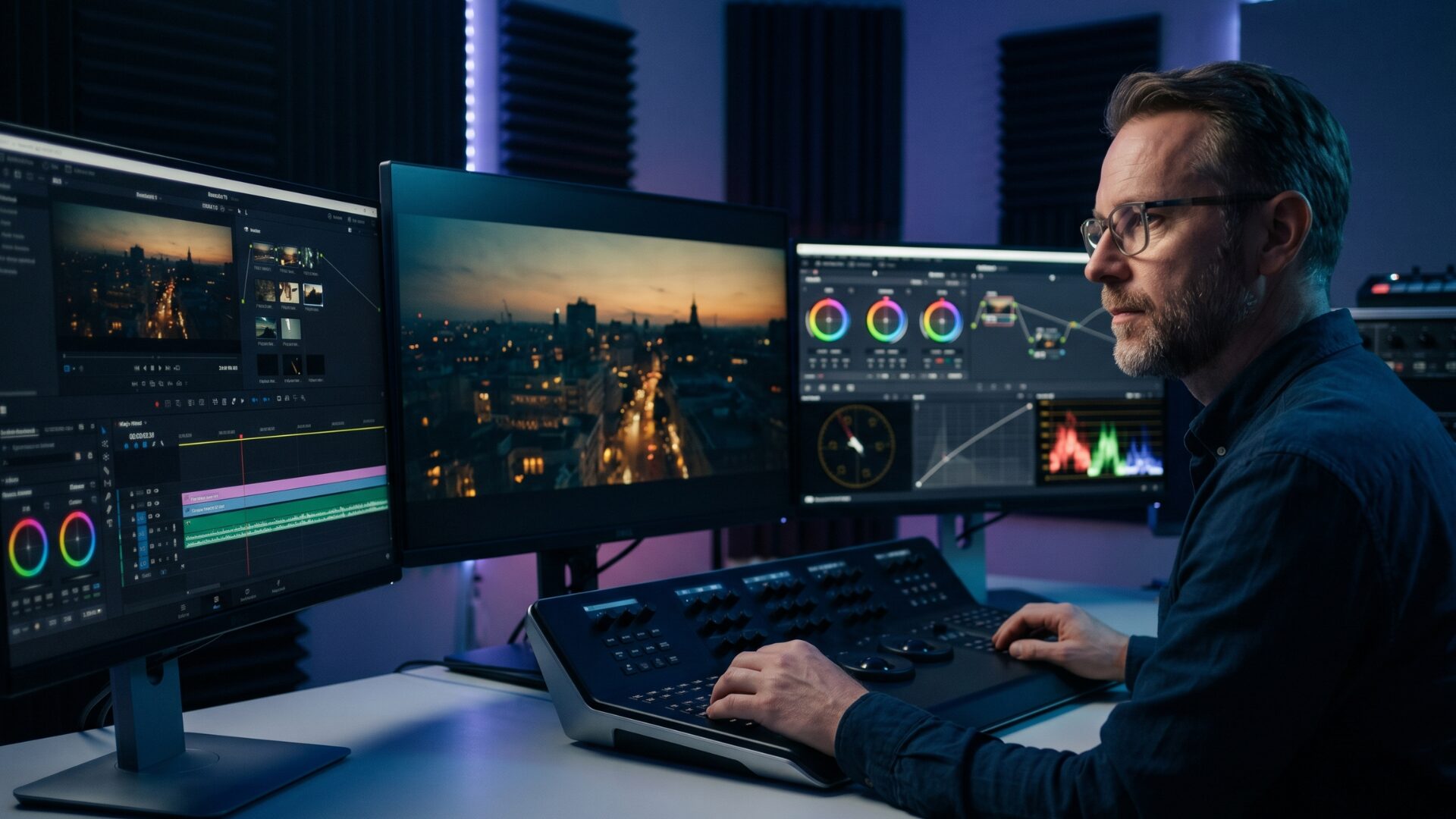
If you come to me wanting a comedy, I am going to find a specialist who knows how to pace and light a joke. If you want a heavy, emotional drama, I am going to look for a colorist who specializes in making the frame look dramatic, moody, and intense. If the campaign is about children, I’m bringing in a colorist and director who know how to make the film look as bright, colorful, and attractive to kids as possible.
“We don’t hire for the roster; we hire for the exact emotional need of your film.” > — Hijaz Moosa, Founder of Hanzo Films
If I just used the same three retained guys for every single project, your bright kids’ commercial would end up looking like a moody drama. That’s why hiring for the genre always beats hiring from a static roster.
Why Elite Talent is Just “One Email Away”
Here is a major industry secret: the absolute best talent in the world is not hiding behind a corporate gatekeeper.
“Any good talent is just one email away. Everybody can attract the same talent.” — Hijaz Moosa
High-end freelancers operate globally. Whether they are based in London, Los Angeles, or right here in the UAE, if you have a great project, a solid reputation, and the right budget, they will work with you. What gives me an advantage isn’t a restrictive contract with these artists; it’s the network, the relationships, and the mutual respect we’ve built over years of collaborating on great creative video ads.
The Tech Delusion: Why Cameras Don’t Create Masterpieces
Clients frequently ask me, “Beyond the camera, what is the most strategically valuable technology or pipeline that empowers your team to achieve unique results?”
I’m always upfront with my answer: there is no such technology.
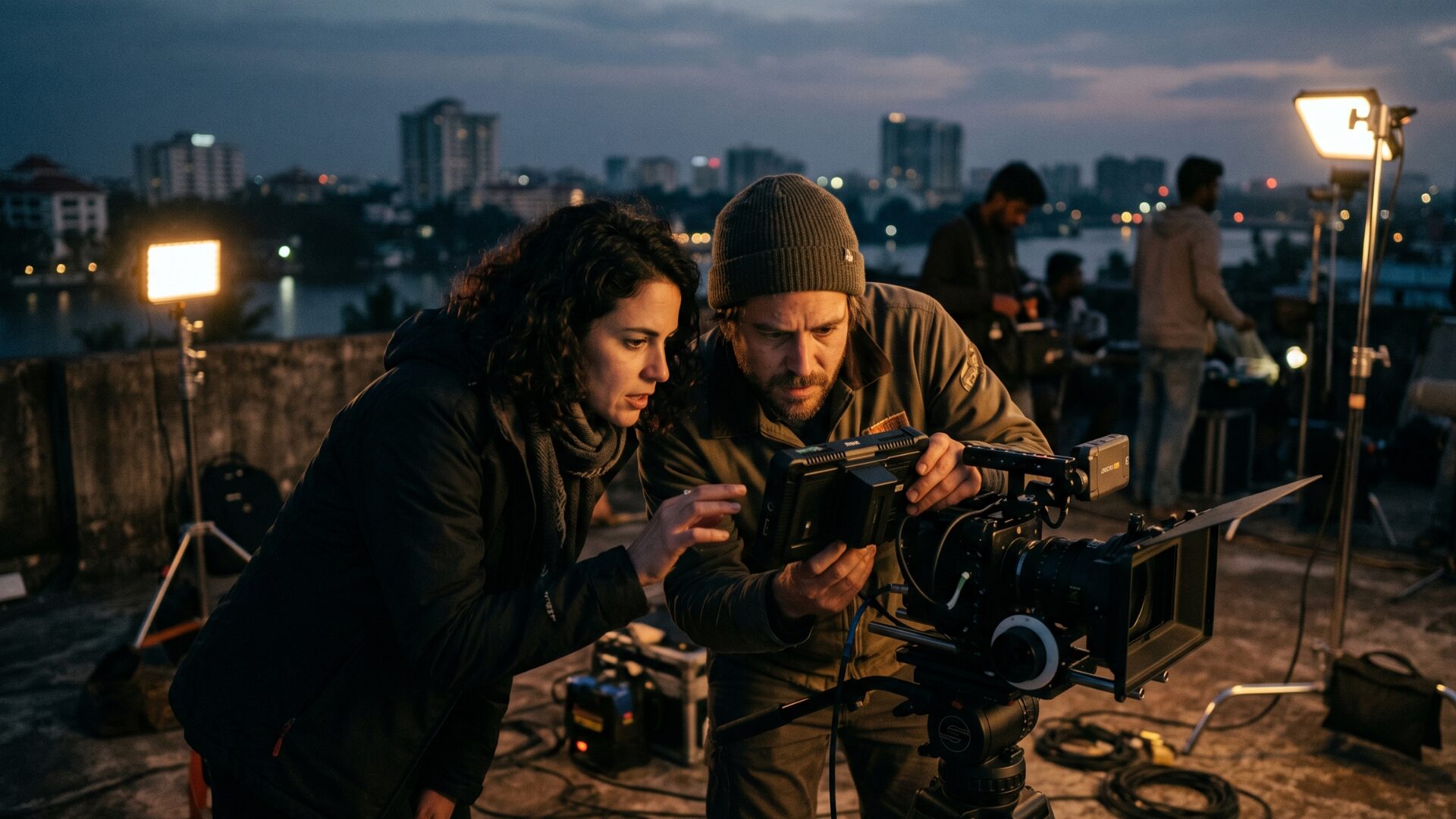
It’s a delusion to think that buying a specific camera or a proprietary piece of software will automatically generate award-winning work. The truth is, everyone at the top level of this industry has access to the exact same gear. We all use the same ARRI Alexas, the same editing suites, and the same lighting rigs.
Chasing technology is a distraction from what really matters.
The Human Element as the Ultimate Differentiator
If the cameras and software are the same, what actually creates a masterpiece?
The human element.
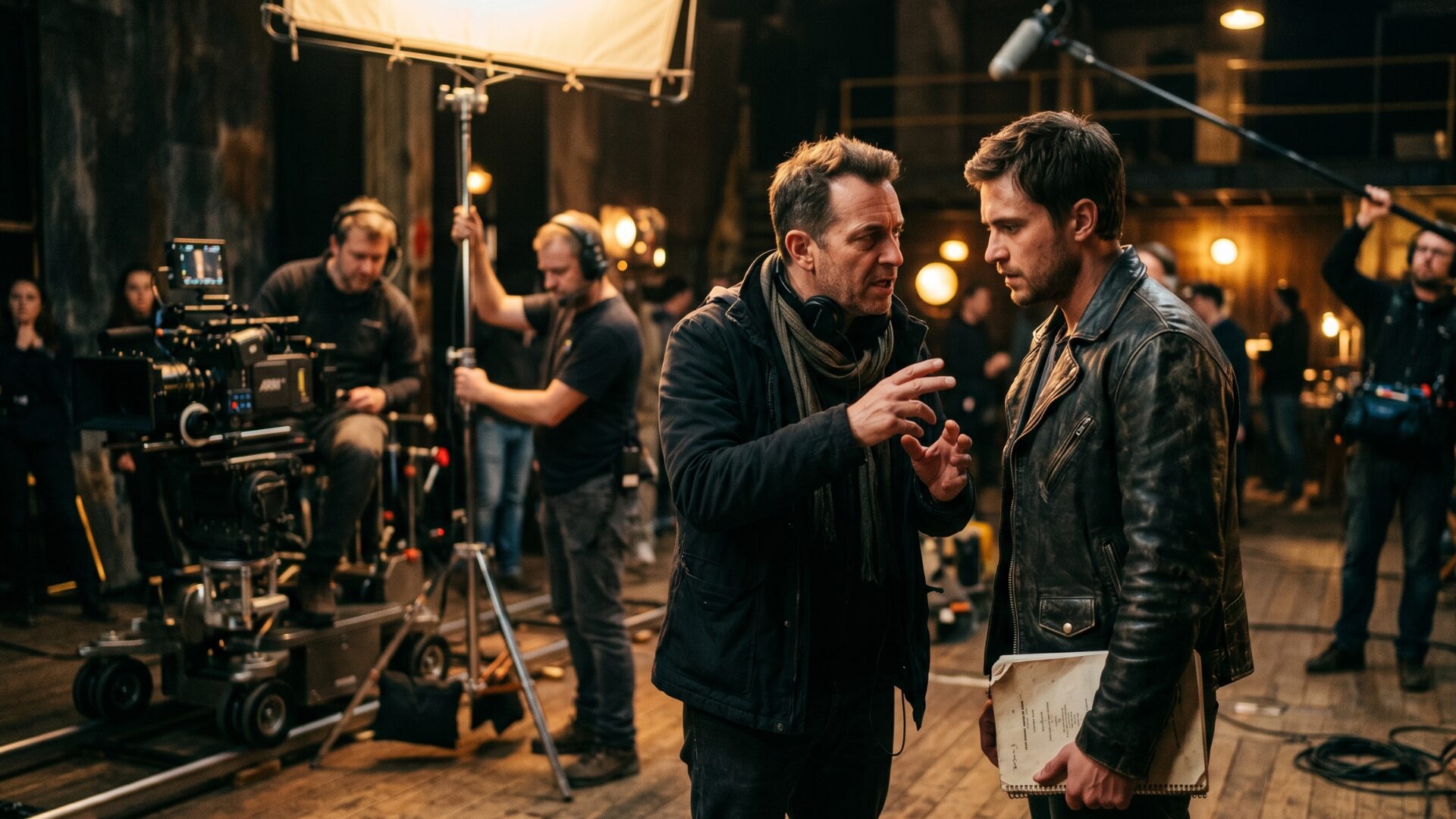
The difference lies entirely in the human beings operating those tools. It’s in the taste of the director. It’s in the specific way a DOP decides to shape a light. It’s in the dynamic collaboration between my team, the agency, and the client. It’s the late-night decisions, the rehearsals with actors, and the unyielding commitment to telling a story with a “beating heart.”
Technology doesn’t have taste. People do. The mastery of creative output doesn’t come from a pipeline—it comes from a group of dedicated human beings making thousands of micro-decisions correctly.
The Reality of the Market
When you strip away the corporate buzzwords, the reality of finding the right production partner is incredibly simple.
Output mastery doesn’t come from hoarding talent on retainers, and it certainly doesn’t come from a magical piece of technology. It comes from a core philosophy that balances flawless service with elite craft. It comes from having the agility to hire the absolute perfect human being for your specific genre of story.
If you are a brand looking for media production companies in Dubai that value the human element over industry myths, you’re in the right place. My team and I don’t hide behind buzzwords. We just do great work.
If this approach resonates with you, I’d love to discuss how we can bring your next campaign to life.